

See How Glass Takes Shape
Follow glass from silica, soda ash, limestone, and cullet through melting, forming, annealing, and inspection while learning what changes at each production stage.
Trace Material Flow
Connect batch mixing, melting, refining, forming, annealing, and inspection as one continuous production sequence.
Read Glass Behavior
Use temperature and viscosity examples to understand why molten glass behaves differently during shaping and cooling.
Inspect Finished Samples
Check bubbles, inclusions, distortion, thickness, surfaces, and edges using a repeatable observation sequence.
Understand What Changes
Focus on three parts of glass production where process conditions directly affect the material.
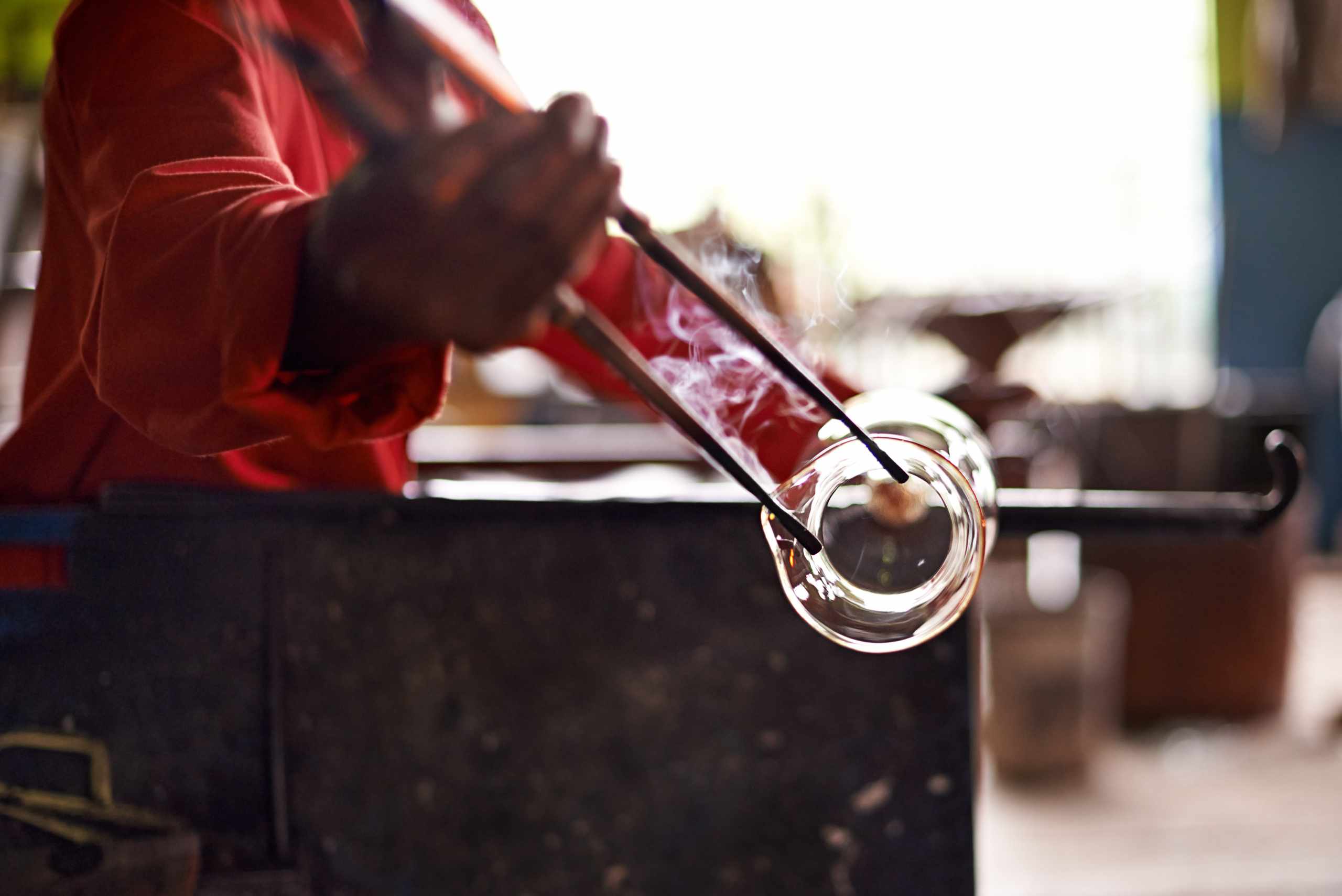
Batch And Melting
See how batch materials enter the furnace
and become a more uniform molten glass mass.
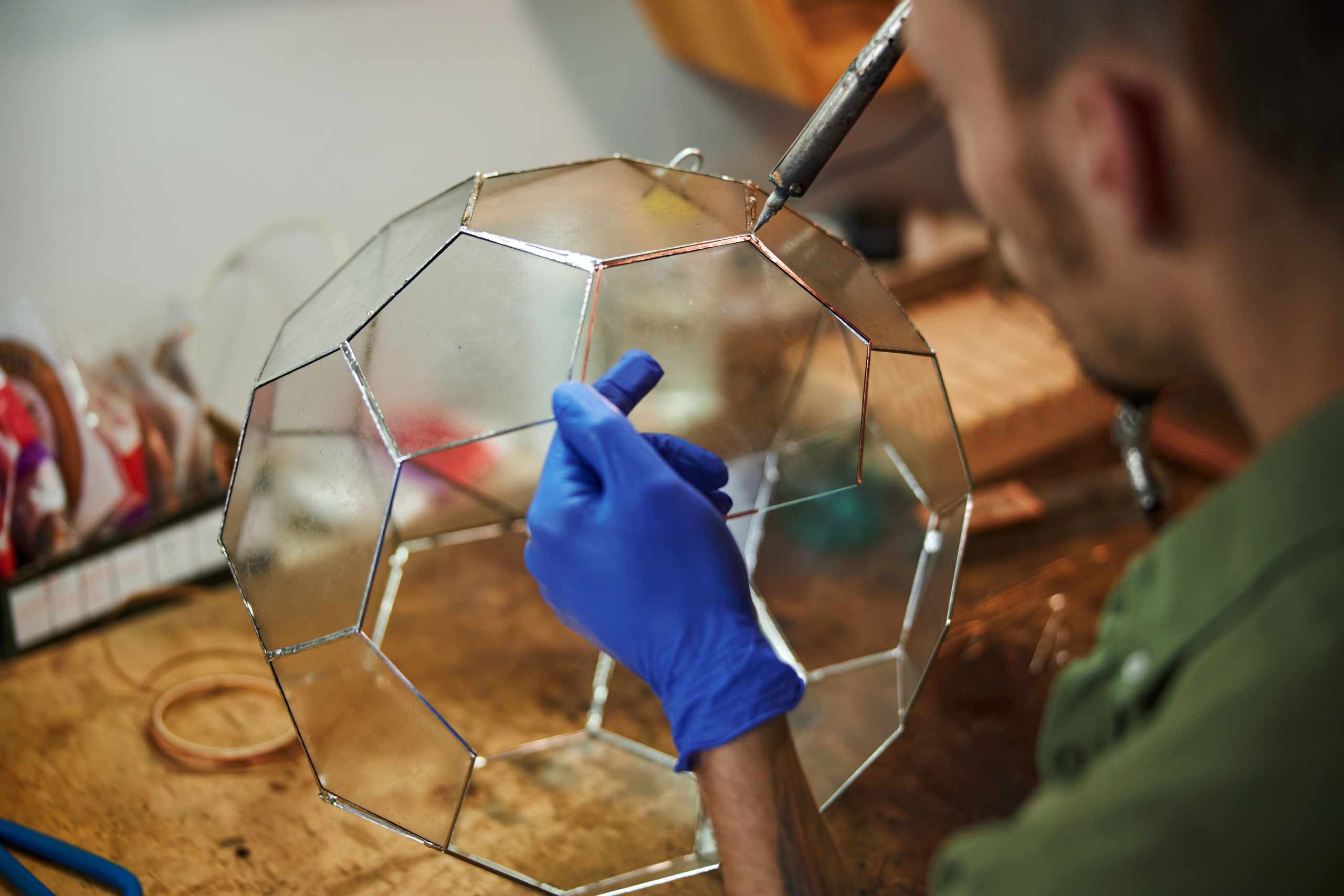
Forming The Glass
Compare pressing, blowing, drawing, and float forming by tracing how the glass changes shape.

Annealing And Cooling
Understand why controlled cooling helps manage thermal stress after a glass product has been formed.
The process diagrams helped me stop mixing up melting, forming, and annealing. I can now look at a glass sample and inspect it in a much more organized way.
 Daichi Abiko
Choose A Clear Starting Point
Ask which production topics, diagrams, samples, or basic inspection tools make sense for your first stage of study.
Practice With Process Evidence
Use diagrams, observations, comparisons, and basic checks to understand what happens before and after glass is formed.
Compare Forming Methods
Trace where molten glass enters each process, how it is shaped, and where cooling begins.
Check Visible Defects
Observe bubbles, inclusions, waviness, scratches, and distortion before considering possible production-stage causes.
Measure Basic Features
Use simple dimensional checks to compare thickness, edges, and other observable features of finished samples.
Connect Cause And Effect
Review production scenarios and identify which temperatures, materials, or process stages should be checked before drawing conclusions.